

Remember when you had to…if you wanted to…? It’s fair to say the UX in web3 has come a long way since then. But it’s still far from perfect. In fact, we’d describe most platforms as usable (just). But competition is hotting up and “usable” won’t be enough in this next cycle. If you’re not offering a seamless user experience, one of your competitors will be. So we’ve put together a definitive guide on how to create a winning product in web3 in 2024.
Introduction
There are 3 questions you should be asking yourself when it comes to web3 UX:
• How effortless is it for users to start using my product?
• How straightforward is the interaction with my product?
• How enjoyable is the overall user journey?
Ideally, the answer to all 3 should be very. But often builders focus on one area at the expense of another. A seamless onboarding process loses its value if users then encounter an overly complex platform. And a polished interface falls short if the overall product fails to deliver a joyful experience for the user.
To delve deeper, let’s dissect these queries into three focus areas: Onboarding, usability, and product experience.
Onboarding
Creating a great product is one thing, but making sure users can actually use it is arguably more important. The most revolutionary web3 product in the world is a little pointless if nobody is able to effortlessly use it. So how do you ensure people can easily be onboarded?
Embedded wallets
Wallets are arguably the biggest barrier to web3 adoption. While they do a good job of acting as a decentralised ID, they do offer a completely unfamiliar experience when it comes to experimenting with blockchain technology. The whole process of creating a wallet just to be able to access a web3 application, and often multiple wallets for multiple applications is an immediate barrier. Add plug-ins and seed phrases to the mix and you really are asking a lot of newbies.
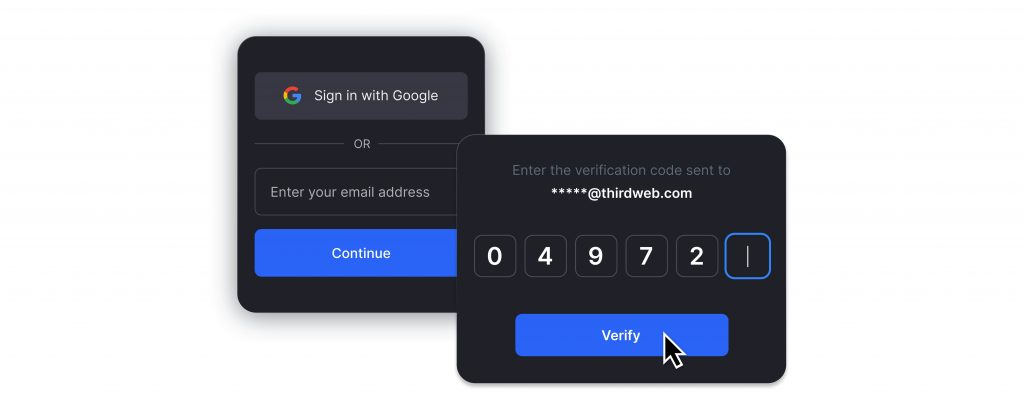
One solution that is becoming increasingly popular is to offer embedded wallets – wallets that are created in the back end of an application for the user. This process feels a lot like creating an ‘account’ in web2. While web3 purists may criticise this option from a decentralisation perspective, it’s most likely the best solution in terms of usability if you’re targeting complete beginners in web3.
Multiple onboarding flows
When it comes to a user in web3, there really is no typical user. Some users have been trading Bitcoin since 2012, others still don’t even know what an NFT is. Creating a one-size-fits-all user flow therefore becomes somewhat impossible.
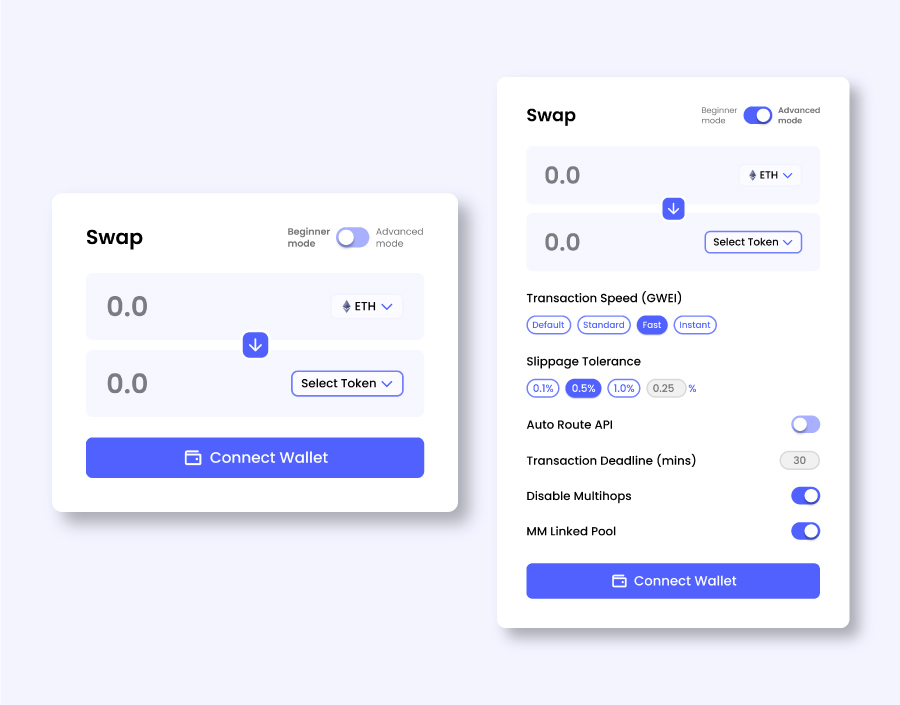
Consider meeting your users where they’re at by creating a simple flow and a more advanced one, and don’t feel that you have to be limited to just two either. Crypto exchanges have already implemented this, platforms like Uniswap offer a stripped-back UI and then a more complex one that includes more advanced features like transaction speed and slippage tolerance.
Terminology
It’s crucial to remember that the solutions created by blockchain technology and their impact extend far beyond niche markets. Industries like ticketing and loyalty—which serve millions and generate billions—stand to benefit significantly from web3-shaped solutions.
However, when it comes to exposing and onboarding the masses to these solutions, a stumbling block arises from the specialised jargon and terminology associated with the tech. Terms like NFT, blockchain and crypto can alienate potential users, particularly older demographics, leaving them feeling disconnected and sceptical of the relevance of these solutions to their lives.
Yet, the reality is quite the opposite. Blockchain offers transformative potential that could enhance the daily experiences of people across all demographics. Therefore, it’s imperative for projects in this space to communicate in accessible language, emphasising the tangible benefits rather than dwelling on obscure technical terms that power the technology.
Usability
Using web3 technology to create revolutionary solutions is all well and good, but users have to be able to actually use your solution. Otherwise, your great idea counts for nothing.
Web3 disguised as web2
Present your web3 solution in a way that doesn’t look too dissimilar from web2 predecessors. One of the biggest issues for new users is that decentralised apps and web3 products look completely alien. Regardless of how your product feels and flows, if it looks like your user is being asked to launch a rocket ship, they probably never get to experience the usability.
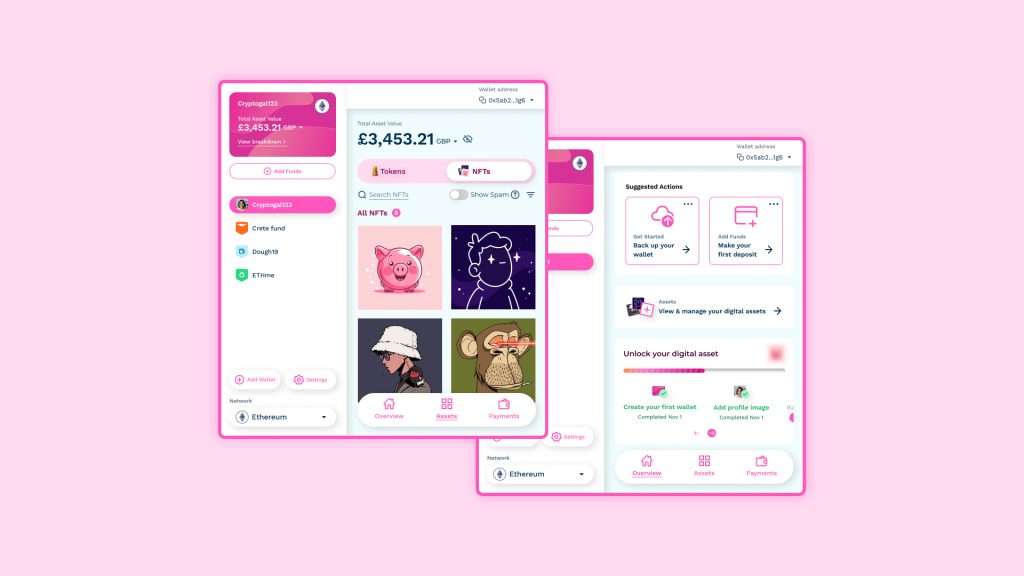
For instance, to a new user, most crypto wallets are like nothing they’ve seen before. This creates friction from the first instance which is why when designing Pokit we drew inspiration from mobile banking apps. This way the user receives the benefits of web3 in a way that appears simple, usable and familiar.
Informative UI
In web2, UI considerations were mainly around making something look good. But in web3 you should prioritise how your UI can be used to educate and guide users. Sometimes your UI can even make up for the UX shortcomings of blockchain infrastructure.
For instance, the status of transactions, explaining new terminology and (something else) should all be made clearer than what it currently is.
Prompts
Web3 is new and your users will likely take a wrong turn at some point. What they’re presented with next is crucial, fail to put them back on the right path and they’ll consider your product too advanced for them and most likely bounce.
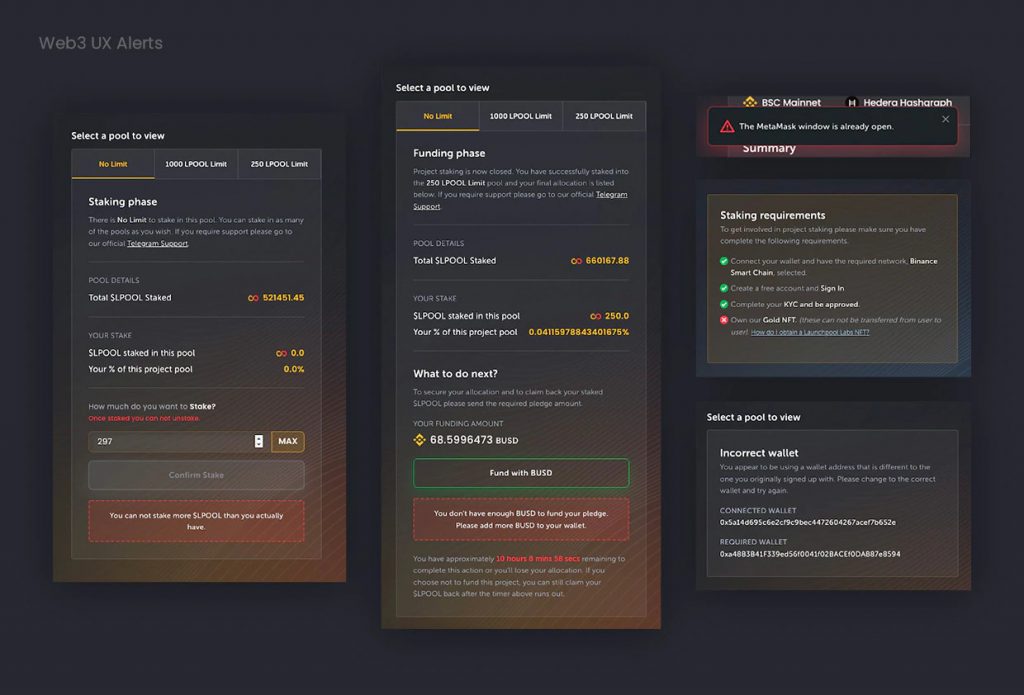
We always say it’s vital you don’t just tell users they’ve gone wrong, but tell them why and how the error can be connected.
The example below shows error messages that we added into the Launchpool app explaining to the user that they didn’t have enough of a certain token, they were using the wrong wallet and even when they were trying to open the MetaMask window when it was already open.
Product Experience
Making your product competitive in web3 is hard. You’re competing with other web3 products as well as established web2 alternatives that have established user bases and years of brand equity in the bank. What are the latest UX trends when it comes to establishing your web3 creation?
You’ve onboarded users, you’ve given them a product that oozes usability, now you need to keep them coming back for more. But how do you create a winning product in web3 when there is so much competition?
Lobby Phase
Recently we’ve started to see a lot of emphasis placed on what happens pre launch. Web3 offers the unique ability to track a user’s activity via their wallet and then airdrop rewards to the same place.
Gone are the days of shilling your project nonstop on Twitter for 6 months leading up to your launch, focus instead on building out a beta version and allow your community to start actually using your product.
Reward for actions like referring friends, sharing on socials and completing daily log-in streaks to encourage users to interact with your platform even before it launches. This is also a nice way to get users familiar with your interface.
Gamification
If you’re looking to keep users coming back for more, look no further than the gaming industry. (stat about gamers/hours spent on a game) – so it’s fair to say games do user retention pretty well. And in the last 12 months we’ve seen the web3 space lean into this, after all, the typical web3 user has grown up in a gamified world.
Even if you’re not creating a game, deliver a gamified experience to keep your users coming back for more. Add levels, quests and ranking systems. Rewards too, have these tie in with your marketing goals and reward for things like referring friends, log-in streaks and activity within your product.
[Could talk about/show Lingo or Decentric here]
Real-world benefits
In the early days of web3, the focus was on using digital currencies to pay for digital assets to be used in digital worlds. While this approach attracted a specific demographic, mainly those interested in financial gains, it failed to fully illustrate the vast potential of blockchain technology.
However, the landscape has evolved significantly since then. Presently, blockchain is being harnessed to broaden our existing reality rather than construct an entirely new one. One of the most effective strategies to convey this shift is by anchoring blockchain projects to real-world assets and applications. By doing so, projects instantly resonate with users on a more tangible level, speaking a language they understand. This obviously has a positive impact on perceptions, trust and adoption rates.
Ultimately, the projects that will garner the most attention and acceptance this cycle will be those leveraging blockchain to enhance everyday experiences and improve the quality of life for all.